

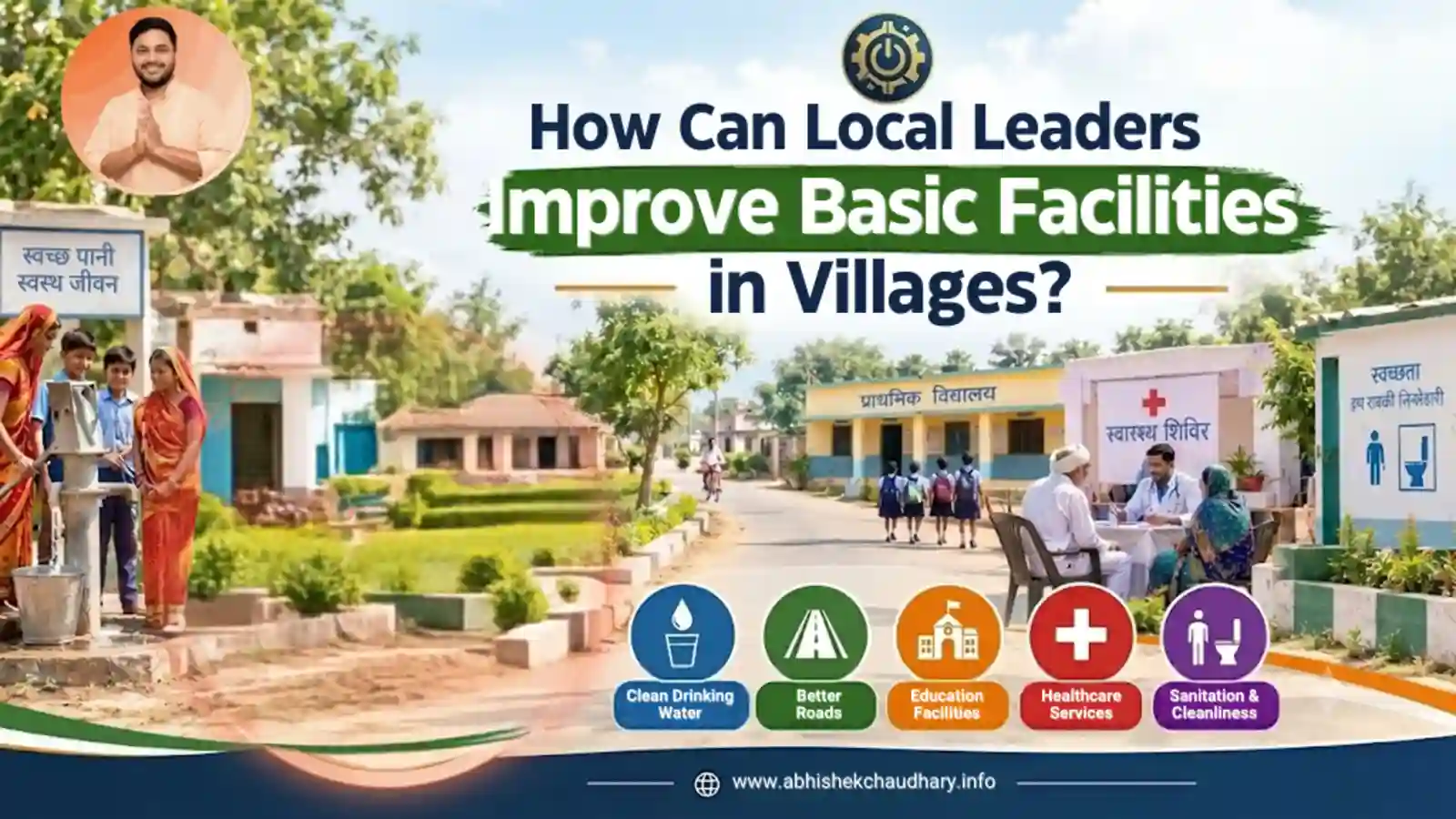
Villages are an important part of India's growth. Many families living in rural areas depend on basic facilities such as clean drinking water, good roads, proper drainage, electricity, schools, and healthcare services. When these facilities work well, people can live healthier, safer, and more comfortable lives.
Local leaders play an important role in understanding village problems and finding practical solutions. They can listen to residents, work with local authorities, and encourage people to take part in development activities. A responsible social worker In Mathura can also support community development by identifying local needs and helping people find ways to address them.
Village development does not always require a large project. Sometimes, repairing a broken handpump, improving cleanliness, or helping residents access public services can make a meaningful difference.
1. Understand the Problems of Local Residents
The first step towards village development is understanding the problems people face in their daily lives. Leaders should regularly meet villagers, listen to their concerns, and visit different parts of the village.
For example, some families may face problems with drinking water, while others may need better roads or drainage. Older people may have difficulty reaching healthcare facilities, and students may need safer routes to school.
Local leaders should make a list of these problems and identify which ones need immediate attention. Listening to residents helps ensure that development activities focus on real needs rather than assumptions.
2. Improve Clean Drinking Water Facilities
Clean drinking water is one of the most important basic needs. A broken handpump or an unreliable water supply can create difficulties for entire families.
Local leaders can help by identifying damaged handpumps, reporting water supply problems to the responsible authorities, and following up on repair requests. They can also encourage residents to report water-related issues as soon as they appear.
In villages around Mathura, restoring non-functional handpumps and maintaining existing water facilities can help people access water more easily. Regular inspection and timely repairs are important because preventing a small problem can be easier than dealing with a major breakdown later.
3. Maintain Roads and Drainage Systems
Good roads help students reach schools, farmers transport their produce, and residents travel to markets and hospitals. Poor roads can make daily travel difficult, especially during the rainy season.
Local leaders can work with the relevant authorities to report damaged roads, identify areas that need repair, and request suitable drainage arrangements.
Proper drainage is equally important. Water collected on roads can create dirty surroundings, unpleasant smells, and other health concerns. Residents can support improvement efforts by avoiding waste disposal in drains and participating in local cleanliness activities.
These steps can make village surroundings safer and more comfortable for everyone.
4. Support Education and School Facilities
Education helps children build a better future. Every child should have access to a suitable learning environment.
Local leaders can support schools by listening to parents and teachers, identifying maintenance needs, and communicating problems to the responsible education authorities. They can also encourage families to send children to school regularly.
Community members may organise book donation activities, educational awareness sessions, or career guidance meetings for students. Young volunteers can help children with basic learning and encourage them to continue their education.
When a village values education, it creates better opportunities for the next generation.
5. Improve Healthcare and Public Awareness
Access to healthcare is another important part of village development. Residents need information about health services, hygiene, nutrition, and preventive care.
Local leaders and social workers can help spread awareness about available health facilities and government health programmes. They can coordinate with qualified healthcare providers and relevant authorities to support health awareness camps when possible.
Older residents and people with disabilities may need additional assistance in accessing services. Community volunteers can help them understand where to seek support.
A Social Worker In Mathura can contribute to public welfare by listening to residents, sharing reliable information, and helping connect people with appropriate services.
6. Keep Villages Clean and Safe
Clean surroundings improve the quality of village life. Waste lying on roads, blocked drains, and stagnant water can make public spaces unpleasant and may increase health risks.
Local leaders can encourage residents to keep streets clean, use appropriate waste disposal facilities, and avoid throwing rubbish into drains or water sources.
Community cleanliness drives can bring residents together to improve shared spaces. Leaders can also report damaged streetlights and other safety concerns to the relevant authorities.
These activities work best when residents understand that public spaces belong to everyone and need collective care.
7. Encourage Youth and Community Participation
Village development becomes stronger when local people participate in solving problems. Young people, in particular, can contribute fresh ideas, energy, and useful skills.
Youth groups can help organise cleanliness campaigns, educational activities, sports events, and public awareness programmes. Residents can also attend village meetings, share suggestions, and report problems through the appropriate channels.
Local leaders should give people a chance to express their views and explain the progress of development work. Open communication can build trust and encourage more residents to participate.
Community participation also helps ensure that development activities benefit different groups, including women, older people, children, and families who need additional support.
8. Follow Up on Development Work
Identifying a problem is only the beginning. Leaders should also follow up to understand whether the issue has been resolved.
For example, reporting a broken handpump is useful, but checking whether it has been repaired is equally important. If a road repair request remains pending, residents should receive clear information about the next steps whenever possible.
Leaders can maintain a simple record of reported problems, actions taken, and issues that still need attention. They should communicate honestly about delays and avoid making promises that cannot be fulfilled.
Regular follow-up helps make village development more organised and accountable.
The Role of Social Workers in Village Development
Social workers can support local development by connecting people, raising awareness, and helping residents understand available services. Their contribution may include education support, healthcare awareness, assistance for older people, and efforts to improve basic facilities.
In Mathura, community-focused work can help bring attention to practical village needs. Abhishek Chaudhary's community service activities, including efforts related to handpump restoration in Sultanpatti, provide a local context for discussing the importance of addressing everyday problems.
The broader lesson is simple: effective community service begins with listening, taking practical steps, and following up on the concerns raised by residents.
Conclusion
Local leaders can improve basic village facilities by focusing on clean drinking water, roads, drainage, education, healthcare, cleanliness, and public participation. They do not have to solve every problem alone. Working with residents, local institutions, and responsible authorities can help them find practical solutions.
A responsible social worker In Mathura can also contribute by understanding community needs and encouraging people to work together. When leaders listen carefully, act honestly, and follow up on their efforts, small improvements can gradually create better living conditions for the whole village.
Village development begins when people work together for the common good.
You May Also Visit: What Is the Role of Social Worker in Community Development
Frequently Asked Questions
1. What are the most important basic facilities in a village?
Important facilities include clean drinking water, roads, drainage, electricity, schools, healthcare services, sanitation, and safe public spaces.
2. How can local leaders solve village problems?
They can listen to residents, identify urgent needs, contact the relevant authorities, organise community participation, and follow up on reported problems.
3. How can social workers help rural communities?
Social workers can support public awareness, education, healthcare initiatives, community welfare, and efforts to connect residents with available services.
4. Why is clean drinking water important for villages?
Clean drinking water supports health and daily life. Maintaining handpumps and other water facilities helps residents access water more reliably.
5. How can young people contribute to village development?
Young people can volunteer in cleanliness drives, educational activities, health awareness programmes, and other community initiatives.
6. How can residents support local development?
Residents can report problems, attend village meetings, keep public spaces clean, share suggestions, and work together on community activities.